
How To View ZLIB File Contents Without Converting
페이지 정보

본문
The .ZLIB file extension is generally a block of binary data compressed with the zlib format created by Jean-loup Gailly and Mark Adler. It is not a multi-file container in the usual sense, but a compact stream that focuses on encoding one block of data together with basic integrity checks. This makes .ZLIB streams more like a low-level building block used inside other formats and protocols than a user-facing "archive" that you browse like a folder. In practice, programmers often create .ZLIB files or streams when they want to store or send structured binary data compactly and later inflate it on the fly using standard zlib APIs. Some tools also let advanced users save or inspect standalone .ZLIB files, but because they lack file lists or directory information, you should not expect them to behave like ordinary archives that can be browsed for individual documents. In everyday use, letting FileViewPro or similar software examine an unknown .ZLIB file can quickly reveal that it is a zlib-compressed stream and, where possible, expose or extract the actual data so you do not need to worry about the low-level compression details.
In modern computing, compressed files act as efficient storage bundles that minimize file size without changing what the files actually contain. Behind the scenes, they function by looking for repeating patterns and unnecessary duplication so the same information can be written in a shorter form. Because of this, the same drive can hold more information and uploads and downloads finish sooner. Whether it is one spreadsheet or a full collection of mixed files and subfolders, everything can be bundled into a single compressed package, all wrapped into one smaller file than the originals. This flexibility explains why compressed files show up in so many places, including installers, system backups, shared folders, and large media collections.
The history of compressed files is closely tied to the evolution of data compression algorithms and the growth of personal computers. Early on, academics including Lempel and Ziv created methods such as LZ77 and LZ78, proving that you could spot repetition in a data stream, store it in a shorter form, and still rebuild every bit exactly. Those concepts evolved into well-known algorithms like LZW and DEFLATE that sit behind the scenes of many familiar compressed files. As DOS and early Windows spread, utilities such as PKZIP, created by developers like Phil Katz, made compression part of normal computer use, cementing ZIP as a go-to format for compressing and grouping files. Since then, many alternative archive types have appeared, each offering its own balance of speed, compression strength, and security features, yet all of them still revolve around the same core principle of compact packaging.
Under the hood, archives use compression schemes that are typically categorized as either lossless or lossy. Lossless compression preserves the original data bit-for-bit, making it essential for documents, software, databases, and configuration files. Common archive types like ZIP and 7z are built around lossless algorithms so that unpacking the archive gives you an exact duplicate of the source files. On the other hand, lossy methods trade some detail for dramatic size savings, most commonly in music, film, and visual content. Although we often treat a compressed archive and a compressed video or song as different things, they rest on the same basic idea of spotting patterns, removing redundancy, and encoding everything efficiently. In most archive formats, compression is tightly integrated with packaging, so you can both reduce size and preserve a complete directory layout inside a single file.
With the growth of high-speed networks and powerful devices, compressed files have found increasingly sophisticated roles. In case you loved this informative article and you wish to receive more information about ZLIB file program generously visit the web-site. Software distribution is a prime example, where applications are shipped as compressed packages that download quickly and then unpack into their full structure on the user’s device. In gaming and multimedia, massive collections of images, audio, and data can be wrapped into compressed resource files that engines can stream and update efficiently. Operations teams routinely compress old logs, database dumps, and configuration snapshots so they are easy to store and transfer. In the cloud, compression plays a quiet but crucial role in keeping large-scale storage and data transfer efficient enough to be affordable and responsive.
Compressed files are equally valuable when you are preserving information for the long haul or protecting it from prying eyes. With compression, large historical datasets and personal collections that would otherwise be unwieldy become easy to back up and move. To guard against bit rot or transfer errors, compressed archives often embed mechanisms to confirm that everything inside is still valid. Some formats also support encryption and password protection, allowing sensitive documents to be stored in a compressed file that is both smaller and shielded from unauthorized access. The result is that a single compressed file can act as both a vault and a space-saver for important content.
On the practical side, compressed files remove a lot of friction from sharing and organizing information. Rather than attaching every file one by one, you can pack them into one archive and send just that, cutting down on clutter and transmission time. When collaborating, this also ensures that the original folder structure and filenames remain intact, so nothing is lost or reordered accidentally. Backup tools frequently use compressed archives so they can capture snapshots of entire folders or systems efficiently. Learning how to open, inspect, and extract compressed archives has therefore become a basic computer skill, not just something for advanced users or IT professionals.
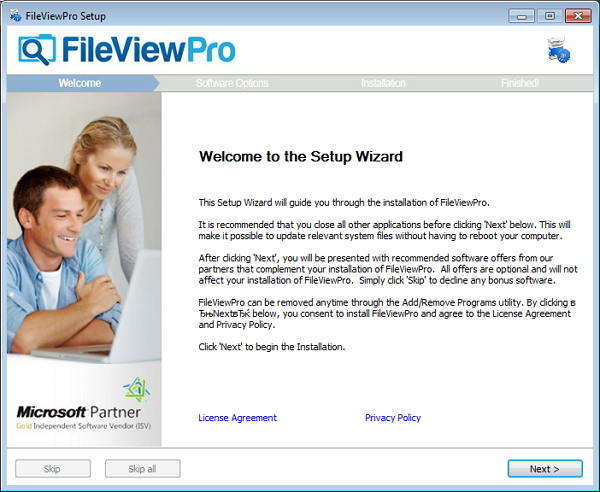
The variety of archive extensions can easily become confusing if you try to match each one with a separate application. A utility like FileViewPro helps solve this problem by recognizing a wide range of compressed file types and presenting their contents in a clear, user-friendly interface. By centralizing the process into one application, FileViewPro makes it easier to browse archive contents, preview files, and choose exactly which items to restore. For anyone who regularly downloads software, works with shared projects, or receives large bundles of documents, having a dependable way to open and manage compressed files through FileViewPro turns compression technology into something practical, convenient, and easy to trust.
Looking ahead, compressed files will continue to adapt as storage devices, networks, and user expectations evolve. Ongoing research aims to squeeze more out of data while still keeping compression and decompression fast enough for real-time applications. Even as hardware improves, storage and bandwidth are not infinite, so compression remains an essential tool. From personal use to professional environments, compressed archives quietly support tasks that would otherwise be slow, awkward, or expensive. By pairing advanced compression formats with an accessible viewer like FileViewPro, the benefits of smaller, smarter files become available to every user, not just technical experts.
- 이전글Best Australian Casinos 2025 Tested & Trusted 25.12.01
- 다음글Top Tricks and Tactics for Winning at the Casino 25.12.01
댓글목록
등록된 댓글이 없습니다.